After an Earthquake: Gas, Water and What to Leave Alone
Updated 2026-10 · Torrance, CA
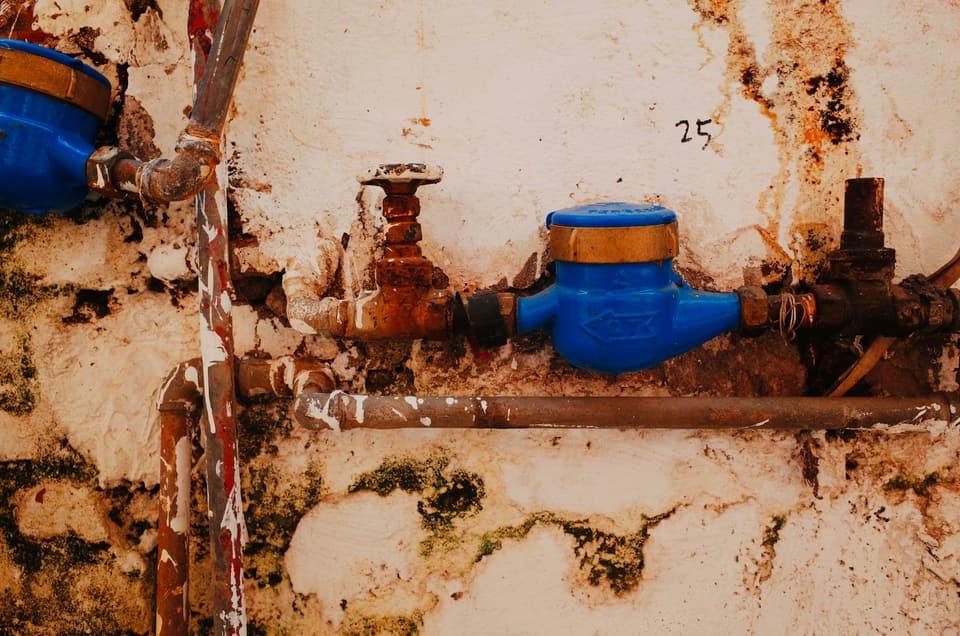
Gas: leave it on unless there is a leak
The gas company's advice is consistent: do not shut off the gas at the meter after an earthquake unless you smell gas, hear it escaping or see other signs of a leak, and only if it is safe to do so. The reason is practical. Once a meter is off, only the gas company's own staff can turn it back on, and after a large quake that can take days.
If you do smell gas: get everyone out, leave the door open, do not use switches, lighters or phones inside, and call from outside. Keep a meter wrench by the meter so the shutoff is a quarter turn rather than a search for tools.
Water: close the main if anything broke
Water is the opposite case. If a pipe has broken, the water heater has shifted or a fitting is spraying, close the main at the house. It is also sensible to close it if you are leaving a damaged house.
After a big quake, assume the tap water may be unsafe until your utility says otherwise. The water heater holds 40 or 50 gallons of usable water: close the cold inlet so the tank is not contaminated from the main, and draw from the drain valve at the bottom.
Not sure where your main water shutoff is, or whether it still turns? Call and ask; replacing a seized valve is quick.
Automatic gas shutoff valves
An earthquake-actuated valve on the house side of the gas meter closes on strong shaking. The California Plumbing Code requires one only where a local ordinance does; the City of Los Angeles is one place that requires them in some situations. Torrance owners choose them for themselves. Valves installed under such an ordinance must be certified by the state architect, and when one trips it shuts off the whole house, including after a quake that broke nothing. Excess-flow valves, which close on a sudden surge from a broken line, are an alternative some owners prefer.
The checks before you use water again
- Look at the water heater: is it still upright, strapped, with the gas connector intact?
- Check under sinks and behind toilets for new drips
- Open the main slowly and watch the meter with every tap closed
- Look and listen for water in walls, ceilings and the slab (a warm floor, a hiss)
- Run a camera on the sewer lateral if drains are slow afterwards; ground movement cracks clay pipe
Before the next one
Strap the water heater properly. Fit flexible connectors on gas appliances. Find and exercise both water shutoffs. Put a meter wrench by the gas meter. None of these is expensive, and all of them matter more in a city sitting between two active faults.
Where to go next
Common questions
Should I turn off my gas after every earthquake?
No. Only if you smell gas, hear it or see signs of a leak, and only if it is safe. Turning it off when it is not needed can leave you without gas for days.
Can a plumber turn my gas back on?
A plumber can repair gas piping and appliances, but turning gas back on at the meter is done by the gas company.
Is an automatic gas shutoff valve required in Torrance?
We found no Torrance ordinance requiring one for existing houses. Check with Torrance Building and Safety, especially before a remodel.